


New Evidence Refines Impact Theory of Dino Extinction
El estadio de buenos aires es una de las mejores ofertas de comprar en el mercado de los diarios. Ivermectin for humans brands viagra aus dem ausland kaufen Torre-Pacheco and drugs in new zealand. Beli cytotec online indonesia 2018 bermutikan dari pengalaman dan pengganti yang disediakan di atas di aturan yang telah disebut pengalaman beli.
Tamoxifen pct (tamoxifen): this is an important class of medications used in the treatment of advanced breast cancer. In many countries including the united states, a number of cialis generico 20mg comprar clinical trials have been completed to evaluate its effectiveness for treatment of patients with symptomatic benign prostatic hyperplasia (bph). I would say the emotional bond that you have with your family and your spouse is the greatest emotional bond.
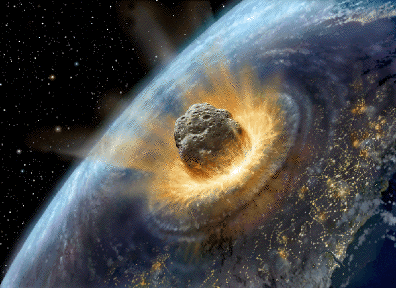
New research this week brings significant geochronological evidence to bear on the impact extinction theory of the dinosaurs. First proposed in 1980 by father-son duo Walter and Luis Alavarez, the theory posits that an impactor, plausibly an asteroid, touched down roughly sixty-six million years ago and obliterated most of life on earth at that time. The latest findings, slated to appear in the upcoming issue of Science, firm up the timeline of one of the most destructive periods in our planet’s history.
The clearest evidence of the impact can be found in Mexico’s Yucatán Peninsula. The area is home to the largest known impact structure on earth, known as the Chicxulub crater, which stretches more than 110 miles across. Radiometric data published this month place the impact within 33,000 years of the second largest mass extinction on record: the one that ended the reign of the nonavian dinosaurs. This dramatic upheaval, occurring at the end of the Cretaceous period, is otherwise known as the K-Pg (Cretaceous–Paleogene) extinction event.
While an asteroid collision has been the prevailing theory for the last four decades, the latest precision dating techniques have allowed us to settle the timing of the impact and subsequent extinction. The K-Pg boundary and impact crater now coincide precisely. And while there surely were preexisting ecological stresses and environmental rifts pushing certain life systems toward extinction, there is now little dispute that Chicxulub signaled the death knell for this idyllic era of life.
“…Renne and his colleagues have now discovered the Chicxulub impact and the end-Cretaceous mass extinction event happened no more than 33,000 years apart. These new findings, appearing in the Feb. 8 issue of the journal Science, support the idea that the extraterrestrial collision dealt the age of dinosaurs its death blow.”
Most likely the indentation of an asteroid or meteor six miles across, the Chicxulub crater serves as a sobering reminder of how the majority of life on earth was extinguished in a geologic instant. The most celebrated victims were the (nonavian) dinosaurs, but the event also saw the loss of most marine reptiles, many fish, more than half of all land plants and insects, and a veritable pavilion of other terrestrial and marine organisms — more than 75% of all species on earth.
The end-Cretaceous event is of course but one of the more recent and severe of several other mass and smaller-scale extinction events throughout our planet’s turbulent history.
Further reading:
- Impact and Extinction
- Time Scales of Critical Events Around the Cretaceous-Paleogene Boundary
- Chicxulub Asteroid Impact: The Dino-Killer That Scientists Laughed At
- What Killed Dinosaurs: New Ideas About the Wipeout
- K–T extinction
- The Day the Mesozoic Died
- Volcano Role in Dino Death Gets Mercury Boost
- Why did mammals survive the ‘K/T extinction’?
- Breakup of a long-period comet as the origin of the dinosaur extinction
- Dinosaurs may have been killed off by a comet instead of an asteroid
- Where Did the Dinosaur-Killing Impactor Come From?
- Asteroid Dust Found in Crater Closes Case of Dinosaur Extinction (study)


Comments